Attic Insulation & Cleaning
High-Level Comfort. Lower Energy Bills.

Why Attic Insulation Matters
Insulating your attic helps your whole home feel more comfortable year-round. It keeps heat inside during winter and blocks hot air in summer, so your HVAC doesn’t work overtime.
It can also help improve indoor air quality by sealing out contaminants. You’ll notice steadier temperatures, fewer drafts, and potential savings on energy bills.
A Complete Attic Service, Start to Finish
We do more than just blow insulation into the attic.
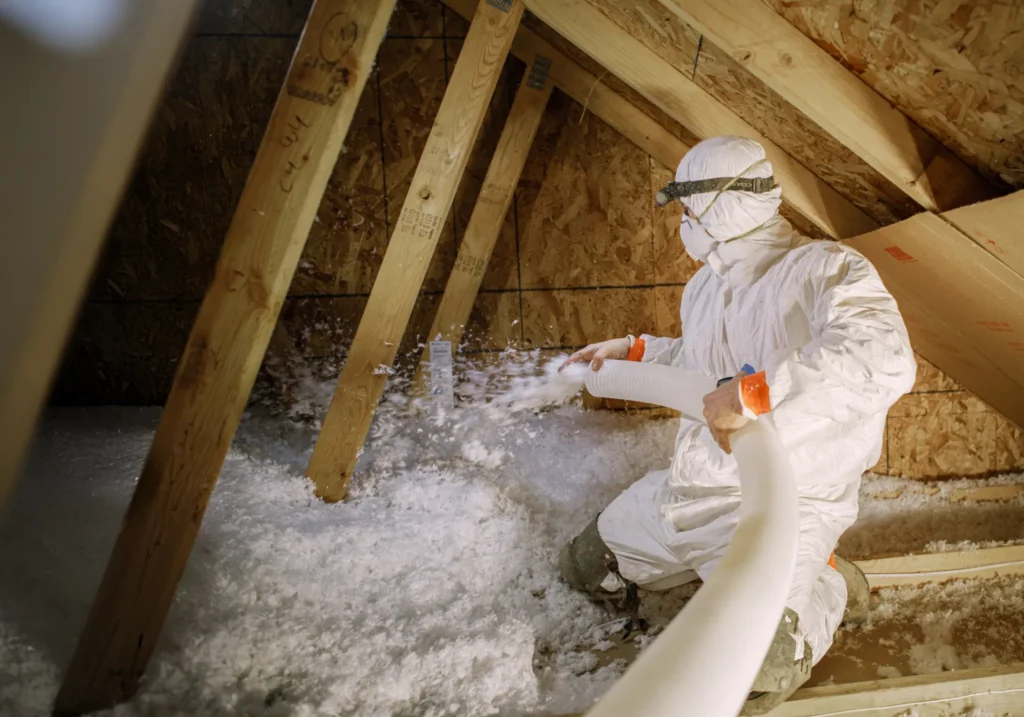
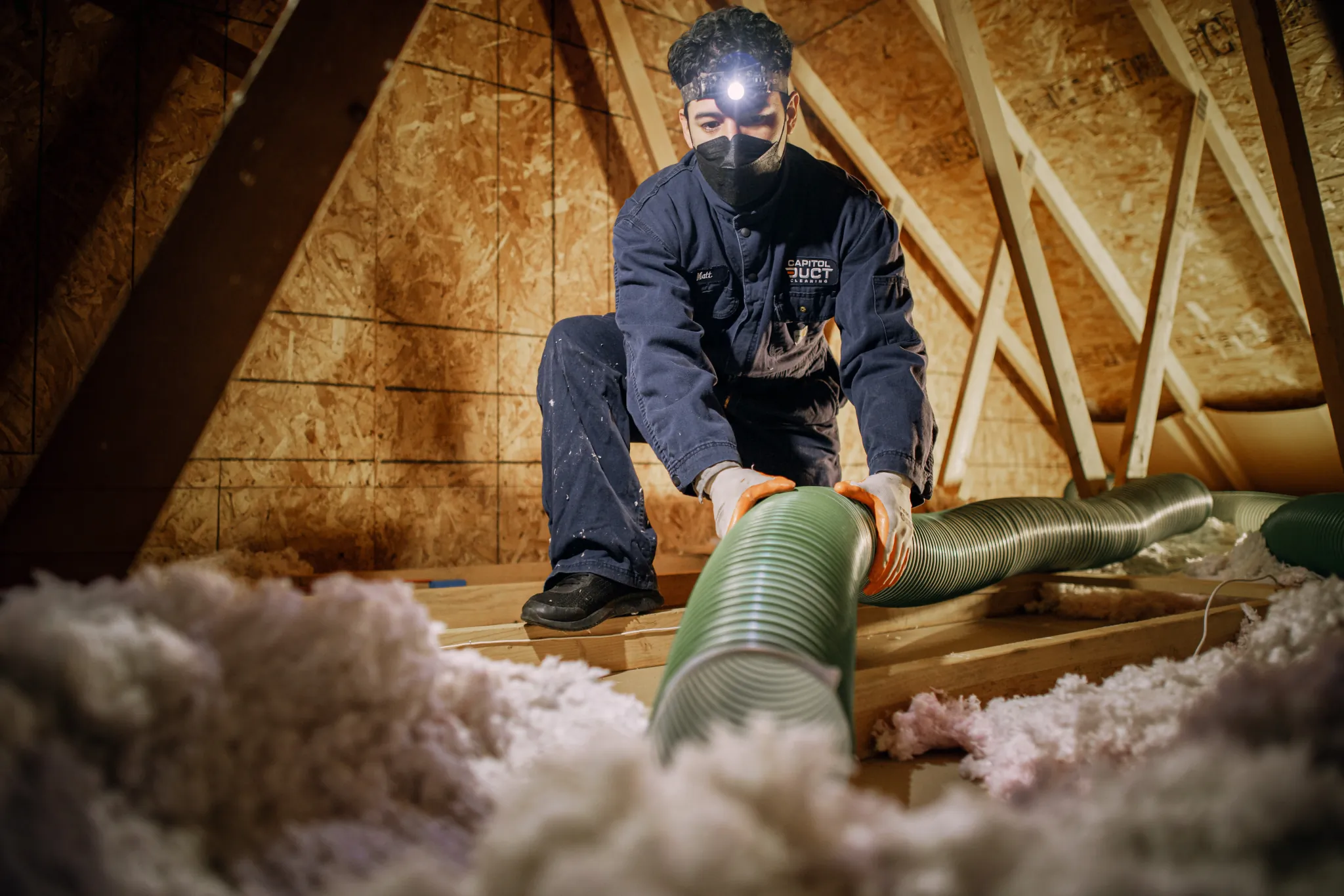
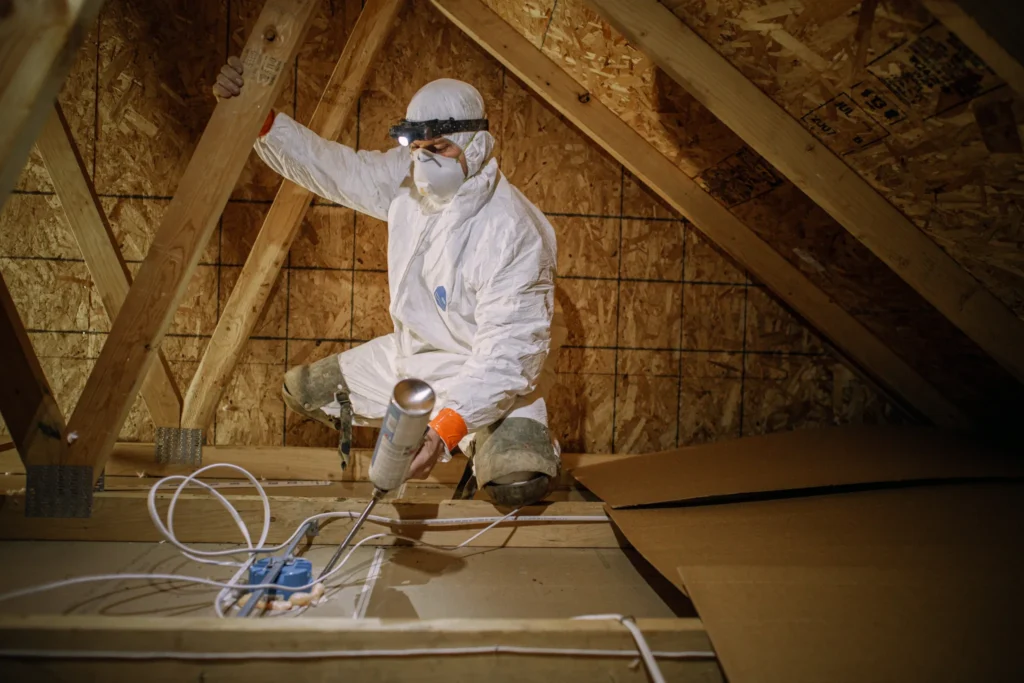
Every job starts with a full attic cleaning to remove old insulation, debris, and any signs of pests. We then seal leaks and penetrations in the Sheetrock and roofline using foam and other materials to block air gaps. From there, we install high-quality blow-in insulation to evenly cover every corner.
This process improves air quality, reduces heat loss, and helps create a cleaner, more efficient home from top to bottom.
Reviews












I highly recommend Capitol Duct Cleaning, especially if you’re lucky enough to get Larry and Q. Outstanding service from start to finish!






I highly recommend this company!

We confidently refer our clients to Capitol Duct knowing they’ll receive exceptional service every time. Whether residential or commercial, we highly recommend reaching out to their team.




I also want to thank the front desk team, especially Amy and her co-worker. Because of my kids’ school event, they went out of their way to accommodate my schedule. I can’t thank them enough for their flexibility and kindness.
Overall, I’m extremely satisfied with the service. Highly recommended!







The team came out to clean our ductwork and dryer vent, and they did a thorough, professional job from start to finish. They were polite, genuinely friendly, and took the time to explain every step of the process, answering all our questions with patience. They also sanitized the system and gave helpful, non-pushy recommendations for maintaining clean indoor air. We immediately noticed a difference in air quality. Highly recommend!


Why Choose Capitol to Insulate Your Attic
We take the time to do things right without shortcuts or guesswork. Every detail is handled with care, from prep to cleanup.
You’ll get a respectful crew, clear communication, and before-and-after photos of the work. We stay organized, clean up after ourselves, and treat your home the way we’d want ours treated.
How Our Attic Insulation Process Works
Remove old insulation and debris
We start by clearing out damaged insulation, debris, and signs of pests to get a clean working space.
1.Inspect for damage and air leaks
Our team checks for mold, water damage, and hidden air gaps—especially around light fixtures and penetrations in the Sheetrock.
2.Seal and prepare the attic
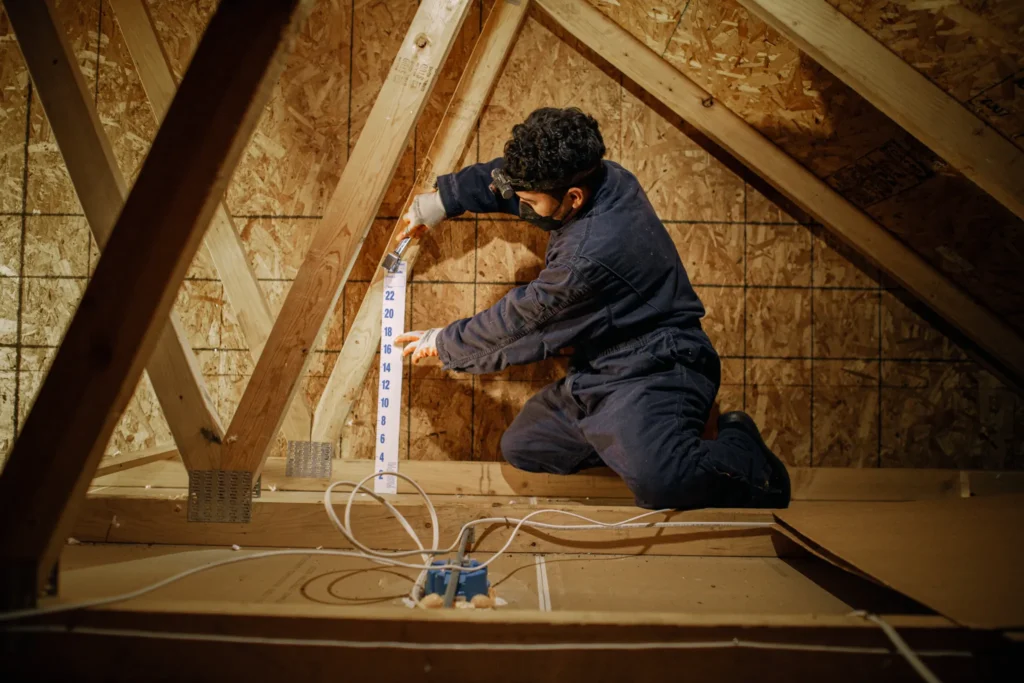
We use fire-safe foam to seal leaks, install screens for airflow, set measuring rulers for proper R-value, and add soffit breathers to support ventilation.
3.Install new blow-in insulation
We apply high-performance insulation evenly across the attic to maximize coverage and improve energy efficiency.
4.
Contact Us
Phone: 360-352-4693Open Hours
Weekdays
24 Hours
Sat/Sun
Closed
Contact Capitol Duct
FAQ
- Why is attic insulation important in the Pacific Northwest?
- Do you seal air gaps in the attic?
- How much attic insulation do I need, and what R-value is recommended?
- Do you clean the attic before installing insulation?
- How often should I have my attic cleaned or inspected?
- What are the benefits of blown-in insulation?
- Are there rebates or tax credits for attic insulation?
- What type of blown-in insulation do you use?
Why is attic insulation important in the Pacific Northwest?
A crawl space inspection is a thorough examination of the area beneath your home to identify issues such as moisture damage, pest infestations, mold, or structural problems. These inspections are particularly important because hidden issues are common and, if left unaddressed, can lead to energy inefficiencies, recurring pest problems, and mold-related health risks.
Do you seal air gaps in the attic?
Yes. We use fire-safe foam to seal gaps and penetrations—like around light fixtures and Sheetrock—to help prevent contaminated air from entering your living space.
How much attic insulation do I need, and what R-value is recommended?
Insulation levels are measured by “R-value,” which indicates how well a material resists heat flow. The recommended attic R-value depends on the climate. In the Pacific Northwest, we recommend R-38 to R-60.
Do you clean the attic before installing insulation?
Yes. Attic cleaning is part of the service. We remove old insulation and debris before installing anything new.
How often should I have my attic cleaned or inspected?
We suggest cleaning and inspecting your attic about once a year. An annual inspection/cleaning allows you to catch problems like leaks, pest infestations, or mold growth early before they get serious.
What are the benefits of blown-in insulation?
Blown-in insulation offers several advantages over traditional batt insulation. Because it’s applied as loose fill, it reaches gaps, cracks, and corners, reducing air leakage and heat loss for better energy efficiency. We can typically install it in an attic within a few hours, depending on the attic’s size, often without major demolition. It is also one of the most cost-effective insulation options for the R-value provided.
Are there rebates or tax credits for attic insulation?
Yes, you may qualify for utility rebates through programs like PSE’s weatherization rebate. There are also federal energy tax credits available for insulation work. Up to 30% of the project cost, capped at $1,200 per year. Ask us what’s currently available in your area.
What type of blown-in insulation do you use?
We use both cellulose and fiberglass blown-in insulation. Each has its pros. Fiberglass is great for long-term R-value, while cellulose offers excellent coverage and sound dampening. We’ll recommend what works best for your home.