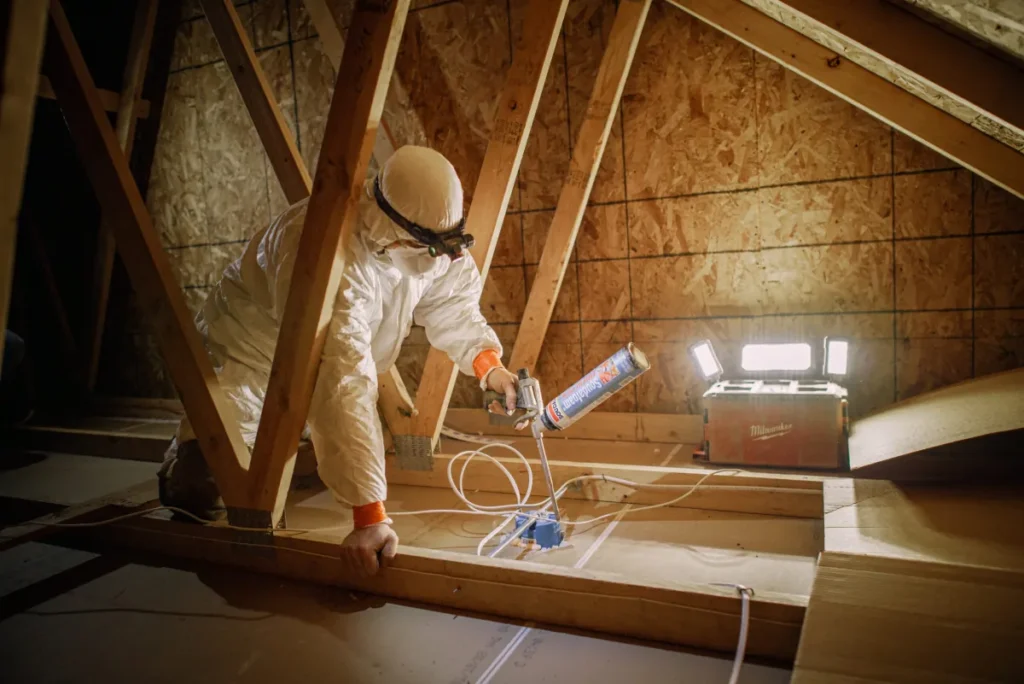
Attic insulation does more than just keep your home comfortable. It can directly impact the air you breathe every day. In fact, there’s a strong connection between attic insulation and air quality that many homeowners overlook.
If your home has been feeling stuffy, dusty, or inconsistent in temperature, your attic could be the silent culprit. Let’s take a deeper look into how insulation affects indoor air quality, what can go wrong, and what you can do to create a healthier home environment, starting at the top.
What Attic Insulation Does for Your Home
At its core, attic insulation controls how heat moves between your living spaces and the outdoors. It keeps your home warmer during cold months and cooler during the summer, which saves energy and helps maintain a comfortable temperature throughout the year.
However, insulation also helps keep your indoor air clean. Most attics aren’t sealed off from the rest of the house as well as you might think. When insulation is lacking or poorly installed, air from the attic can move into your home. That air often carries dust, moisture, and even insulation particles. It’s especially problematic when that air gets pulled into your duct system and distributed through every room.
With the right insulation in place, and when combined with proper air sealing, you create a solid barrier that limits this unwanted airflow. That helps preserve indoor air quality by reducing the spread of pollutants from the attic into your living areas.
How Attic Insulation Affects Indoor Air Quality
When insulation is installed correctly and combined with proper air sealing, it creates a shield against outdoor elements, airborne irritants, and temperature swings. Unfortunately, many homes are under-insulated or have gaps in their air barriers. This allows air from the attic, which may be filled with pollutants, to circulate into the home.
Contaminants like dust, mold spores, and pollen can drift in through small gaps. In homes where fiberglass insulation is used, loose fibers may enter the air as well, especially if insulation has degraded or been disturbed. During warmer months, volatile organic compounds (VOCs) from roofing materials or outdoor pollution can also make their way in.
This type of air exchange doesn’t just lower comfort. It can worsen allergies, increase asthma flare-ups, and contribute to general respiratory irritation. In homes with small children, older adults, or anyone with pre-existing health conditions, this can become a real concern.
The Hidden Risks of Poor Attic Insulation
Without proper insulation, the air inside your home becomes vulnerable to dust and debris. These particles often originate in the attic and make their way into wall cavities, HVAC systems, and eventually, the vents in your living spaces. In our work across Western Washington, we’ve seen many cases where ductwork becomes clogged with dust that’s been drawn directly from under-insulated attics.
Another issue is the impact on allergies and respiratory issues. When insulation becomes old, disturbed, or contaminated, it may release irritants that trigger sneezing, coughing, or breathing difficulties. People who already struggle with asthma or seasonal allergies may notice worsening symptoms, and they may not realize their attic is contributing to the problem.
Moisture Problems and Mold in the Attic
Insulation plays a major role in controlling moisture inside a home. A well-insulated attic helps balance indoor temperatures and reduces the chances of condensation forming. Without it, warm interior air can rise, hit a cold attic surface, and create water droplets. Over time, this repeated moisture buildup creates a perfect breeding ground for mold and mildew.
Mold doesn’t stay in one place. Once it starts growing in the attic, spores can drift into living areas, especially if your ducts run through or near the attic. A musty smell in your home, especially after it rains or during periods of high humidity, may be a clue that mold is spreading from above.
When Insulation Attracts Pests
An attic that’s not properly sealed or insulated can attract pests looking for shelter. Rodents and insects are drawn to quiet, dark places, and old insulation is a perfect nesting material. Once pests move in, they bring problems with them. Their droppings, urine, and shed skin particles can become airborne, worsening indoor air quality.
Beyond that, pests tend to chew through insulation, pull it apart, and even leave behind carcasses. That damage reduces the effectiveness of your insulation and can further increase your heating and cooling bills.
What Proper Insulation Helps Protect Against
A well-insulated attic helps shield your home from a wide range of airborne threats. One of the biggest is dust, whether from deteriorating insulation or attic debris, that would otherwise settle in your vents and air ducts. Mold spores and pollen, both common allergens, are also less likely to spread when air movement between the attic and living spaces is restricted.
In some homes, roofing materials or nearby industrial areas can produce VOCs. Without a strong insulation barrier, these chemicals can make their way inside. And if pests have ever been in your attic, good insulation helps keep future intruders out and limits the exposure to leftover contaminants.
Signs It’s Time to Check Your Insulation
You don’t need to be an expert to tell if your attic insulation needs attention. In fact, there are some clear warning signs that can tip you off. If you take a peek in your attic and see insulation that’s flattened, discolored, or clumped in some areas, it’s likely underperforming. Stains on insulation or the surrounding wood can signal past water intrusion or mold.
Inside the home, you might notice temperature swings from room to room, even when your thermostat is steady. A rise in dust levels, despite regular cleaning, or an increase in allergy symptoms could also point back to attic problems. And if your energy bills seem to keep rising each season, poor insulation may be part of the reason.
How Often Should You Inspect or Replace Attic Insulation?
Generally speaking, it’s smart to inspect your attic insulation every few years. Even if there’s no obvious damage, insulation can slowly degrade over time. If you’ve had a roof leak, a rodent issue, or seen mold in the attic, a sooner inspection is wise.
Most insulation can last 15 to 20 years, but that depends on the material, local weather conditions, and how well it was installed. If it’s been decades since it was last updated, or if you’ve recently purchased an older home, it might be time for a closer look.
Choosing the Right Type of Insulation
There are several options when it comes to replacing or upgrading attic insulation. Fiberglass remains a common choice thanks to its affordability and accessibility. However, if disturbed or deteriorated, it can release small fibers into the air that may aggravate sensitive lungs.
Spray foam insulation is another popular choice, particularly because of its ability to fill gaps and cracks, providing both thermal insulation and air sealing in one. It’s more costly up front but offers long-term efficiency benefits. Blown-in cellulose insulation offers an eco-friendly alternative and does a good job of filling gaps, though it may be more susceptible to moisture if not properly installed. The best choice depends on your attic’s layout, your climate zone, and how concerned you are with energy savings versus up-front cost.
What Happens When You Improve Attic Insulation?
In one local Tacoma home, the family noticed significant improvements after upgrading their attic insulation. Dusting became a once-a-week chore instead of a daily necessity. Asthma symptoms, especially at night, nearly disappeared. Heating costs dropped by nearly a quarter, and the home just felt more comfortable overall.
These kinds of changes aren’t unusual. When your attic is properly insulated and sealed, everything below it benefits.
What to Remember About Your Attic and Air Quality
It’s easy to forget about what’s sitting above your ceiling, but your attic plays a major role in the health and comfort of your home. When insulation is doing its job, it acts like a filter and a seal, keeping out dust, allergens, moisture, and pests.
If you’ve noticed any changes in air quality, energy use, or comfort, your attic insulation might be worth a closer look. It’s one of those home improvements that pays off in more ways than one.
Need Help Getting Started? Let Capitol Duct Cleaning Guide You
At Capitol Duct Cleaning, we deal with the side effects of poor attic insulation every day, dust buildup in ductwork, moisture-related issues in crawl spaces, and allergens circulating through vents. While we don’t install insulation, we can help uncover signs that yours isn’t working the way it should.
Our services, including duct cleaning and crawl space sealing, are designed to support a healthier, more efficient home. We’ve earned the trust of Western Washington homeowners with our transparent pricing, certified technicians, and community-first approach. If you’ve noticed air quality issues or want a professional look at what’s happening inside your ducts, reach out to us. We’re happy to answer your questions and help you take the next step toward a cleaner, healthier home.